Interval training often sounds like something reserved for weight loss programs or high-performance athletes pushing at very high intensity. Many people associate it with sprinting, extreme fatigue, or workouts that feel overwhelming.
In reality, interval training plays many different roles and can be surprisingly easy to start. When designed properly, it simply means changing effort levels in a planned way, something as gentle as alternating between easy jogging and walking. This flexibility makes interval training suitable for everyone, from complete beginners to experienced runners.
https://www.instagram.com/reel/DT_QMlTklKn/?utm_source=ig_web_copy_link&igsh=MzRlODBiNWFlZA==
What Is Interval Training?
Interval training involves alternating periods of higher effort with periods of lower effort or rest. These changes can be applied to:
- Speed (easy vs fast running)
- Exercise type (cardio vs strength)
- Muscle groups (lower body vs upper body vs core)
This structure allows the body to work harder during short periods while still recovering enough to maintain good form and movement quality.
Why Interval Training Works
1. Improves Cardiopulmonary Function
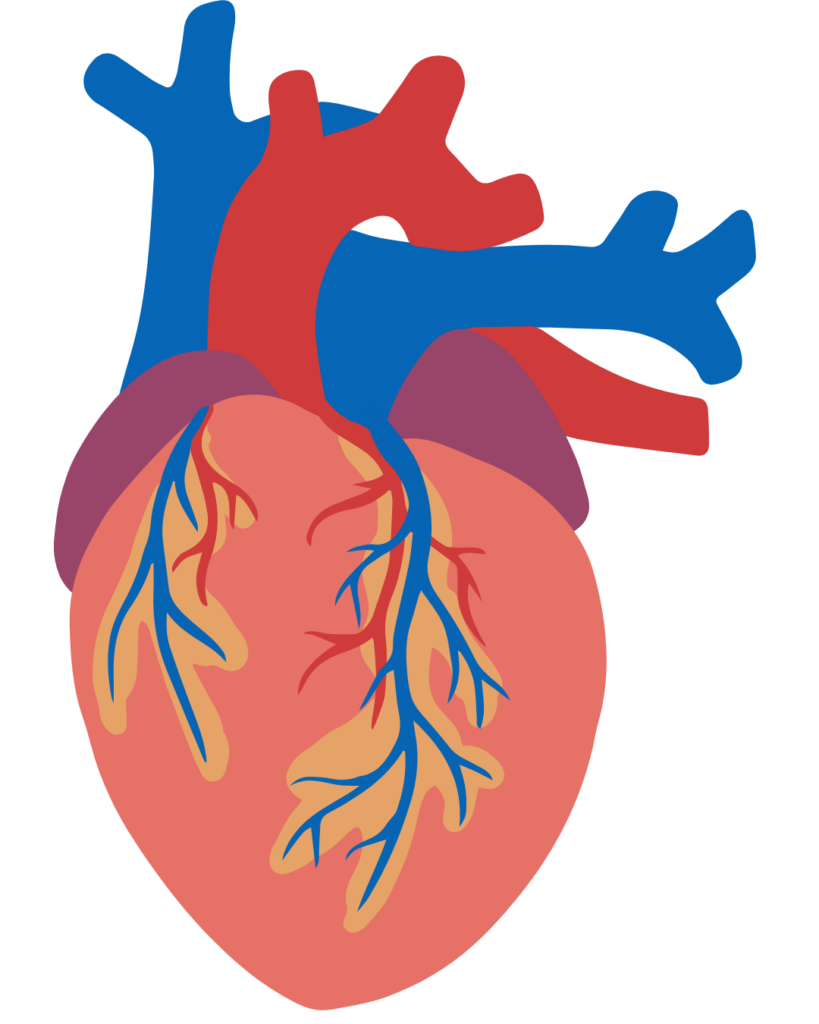
Short bouts of increased effort raise heart rate and breathing demand, challenging the heart and lungs more effectively than steady exercise alone. Over time, this leads to better endurance and aerobic capacity.

2. Builds Strength Alongside Endurance
Unlike continuous running, interval training can include strength-based exercises such as squats, push-ups, and core work. This helps build muscular endurance and joint stability that directly support running performance.
3. Reduces Overuse Stress
Planned recovery periods reduce repetitive load on the same tissues. This is especially important for runners who are prone to knee, hip, or foot issues.


4. Adaptable for All Levels
Intervals can be adjusted by changing duration, intensity, or exercise selection. This makes interval training ideal for group settings with mixed experience levels.
Different Types of Interval Training
Interval training can take many forms beyond traditional running intervals. Mixing movement types helps improve overall fitness, prevent boredom, and reduce overuse injuries.
1. Strength-Based Intervals (Squat / Push-Up / Core)
This type of interval alternates strength exercises with short rest or light movement. It is ideal for building muscular endurance and joint stability.
Example (Beginner):
- Squats: 30 seconds
- Rest or easy marching: 60 seconds
- Push-ups (or incline push-ups): 30 seconds
- Rest: 60 seconds
- Repeat 2–3 rounds
Example (Intermediate):
- Squats or lunges: 45 seconds
- Push-ups: 45 seconds
- Core exercise (plank or dead bug): 45 seconds
- Rest: 60 seconds
- Repeat 3–4 rounds
Benefits:
- Improves running-support muscles
- Enhances posture and movement control
- Low impact, joint-friendly
2. Run-Based Intervals (Jog / Sprint or Fast Run)
These intervals alternate running speeds and are commonly used to improve endurance and speed.
Example (Beginner):
- Easy jog: 2 minutes
- Faster jog: 30–60 seconds
- Walk or easy jog: 2 minutes
- Repeat 6–8 rounds
Example (Advanced):
- Easy jog: 2 minutes
- Fast run (not all-out): 30–60 seconds
- Easy jog: 2–3 minutes
- Repeat 8–10 rounds
Benefits:
- Improves cardiovascular capacity
- Trains pace control
- Builds speed safely when scaled
3. Cardio / Resistance Intervals
This format alternates cardiovascular exercise with resistance training, creating a full-body workout.
Example:
- Jog or bike: 2 minutes
- Bodyweight squats or kettlebell goblet squats: 1 minute
- Jump rope or brisk walk: 2 minutes
- Push-ups or resistance band rows: 1 minute
- Repeat 3–5 rounds
Benefits:
- Improves aerobic and muscular endurance together
- Efficient for time-limited workouts
- Adds variety to group training sessions
4. Low-Impact Cardio Intervals
Great for recovery days or runners managing joint stress.
Example:
- Stationary bike or elliptical: 2 minutes moderate
- Easy pace: 2 minutes
- Repeat 15–25 minutes
Benefits:
- Maintains cardiovascular fitness
- Reduces impact load
- Supports injury prevention
Safety and Recovery Tips
- Warm up for at least 5–10 minutes
- Include at least one easy or rest day between harder sessions
- Pain is not a training goal—adjust early
- Consistency beats intensity
Summary
Interval training is far more than just running fast or doing extreme HIIT workouts. When structured properly, it becomes a flexible tool to improve cardiopulmonary fitness, strength, and movement quality at the same time.
For runners of all levels, interval training can make training more effective, enjoyable, and sustainable, especially when guided by proper progression and good movement habits.
If pain, stiffness, or recurring injuries are limiting your progress, working with a physical therapist can help tailor interval training to your body and goals.