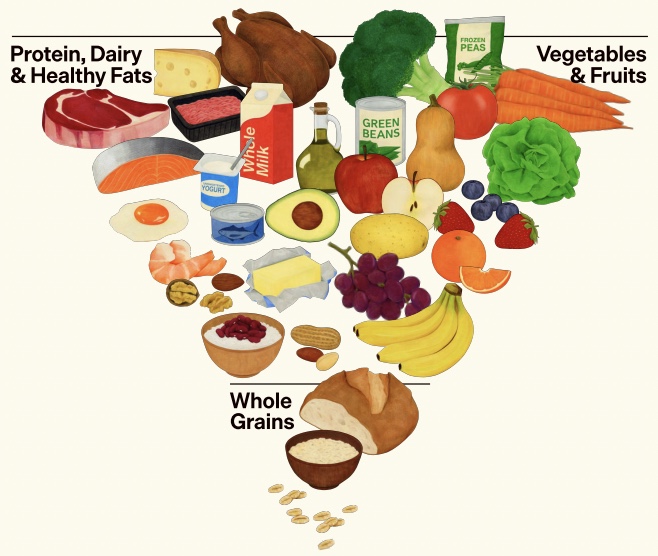
In an era where we are constantly discussed with information about the latest supplements, “superfoods,” and complex biohacking trends, it’s easy to feel overwhelmed. Many of us would feel, “what should I actually be eating?”
Last month, the U.S. Department of Health and Human Services (HHS) and the Department of Agriculture (USDA) released the 2025-2030 Dietary Guidelines for Americans. The overarching message of this new update is surprisingly simple and powerful:

https://cdn.realfood.gov/DGA.pdf
It is time to go “Back to Basics.”
People overlook how important it is to eat “real food”. Here is a deep dive into the latest updates and the foundational habits you should prioritize to build a resilient body.
1. “The Basics” Matter More Than Ever
The latest guidelines shift the focus away from obsessing over individual micronutrients and instead emphasize the importance of an overall “Dietary Pattern.” While supplements can have their place, they are merely additions. The foundation of your bones, muscles, and the immune system that fights inflammation is built from the “Whole Foods” you consume every day.
2. The 6 Pillars of Back to Basics
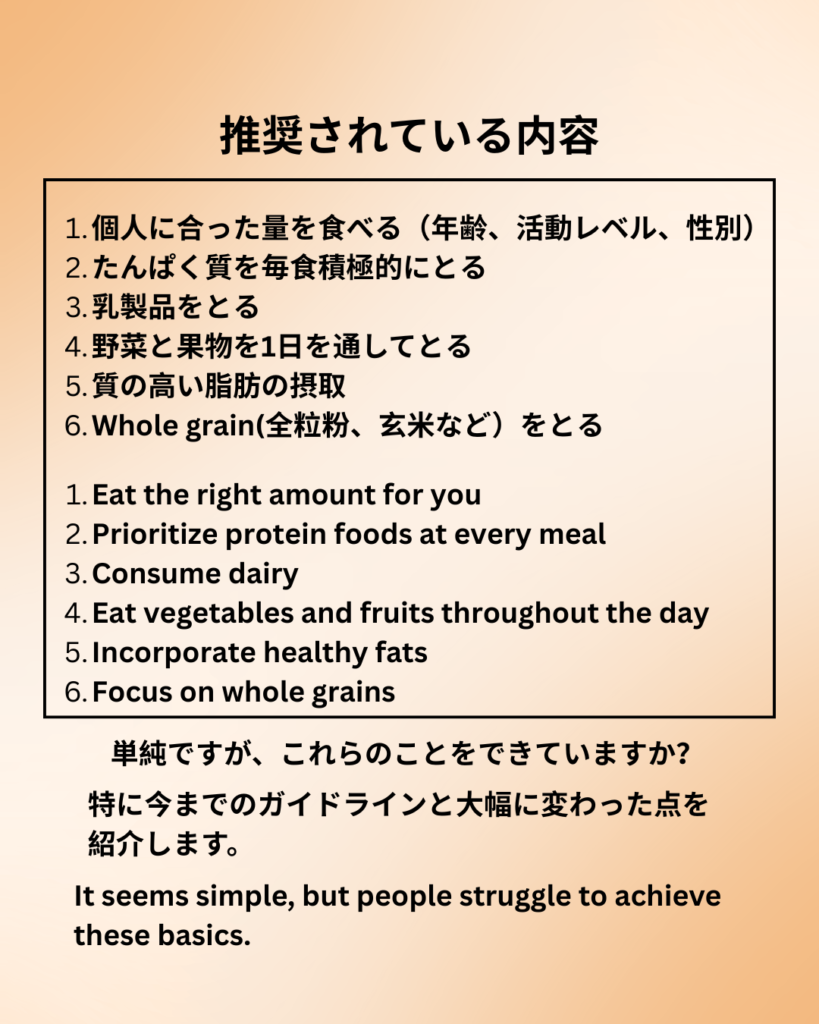
Here is the dietary recommendations. More details are discussed in the next paragraph.
- Eat According to Your Personal Needs: Adjust your intake based on your age, sex, and activity level. If you are increasing your activity level, your caloric and nutrient needs must rise accordingly to prevent burnout or vice versa.
- Prioritize Protein at Every Meal: Don’t just save your protein for dinner. Distributing high-quality protein (meat, fish, eggs, legumes) across all meals is essential for muscle protein synthesis and bone health.
- Incorporate Dairy: Dairy is an excellent source of protein, healthy fats, vitamins, and minerals
- Eat Fruits and Vegetables Throughout the Day Think of colorful produce as your natural anti-inflammatories. They provide the antioxidants necessary to clear out the oxidative stress produced during exercise.
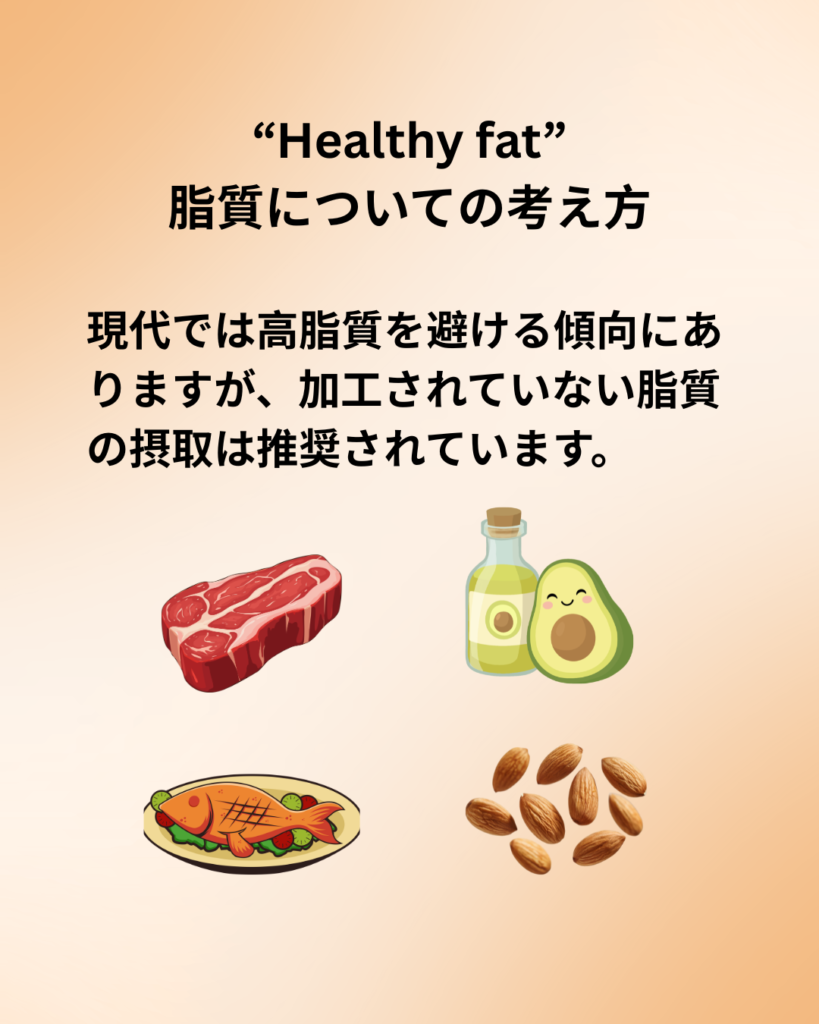
- Focus on High-Quality Fats Move away from highly processed oils. Instead, choose fats from whole sources like avocados, nuts, seeds, and fatty fish (rich in Omega-3s).
- Choose Whole Grains Swap refined white flour and white rice for whole grains like brown rice, quinoa, or whole wheat. These provide the sustained energy required for long-distance stability and endurance.
3. Key Updates You Should Know
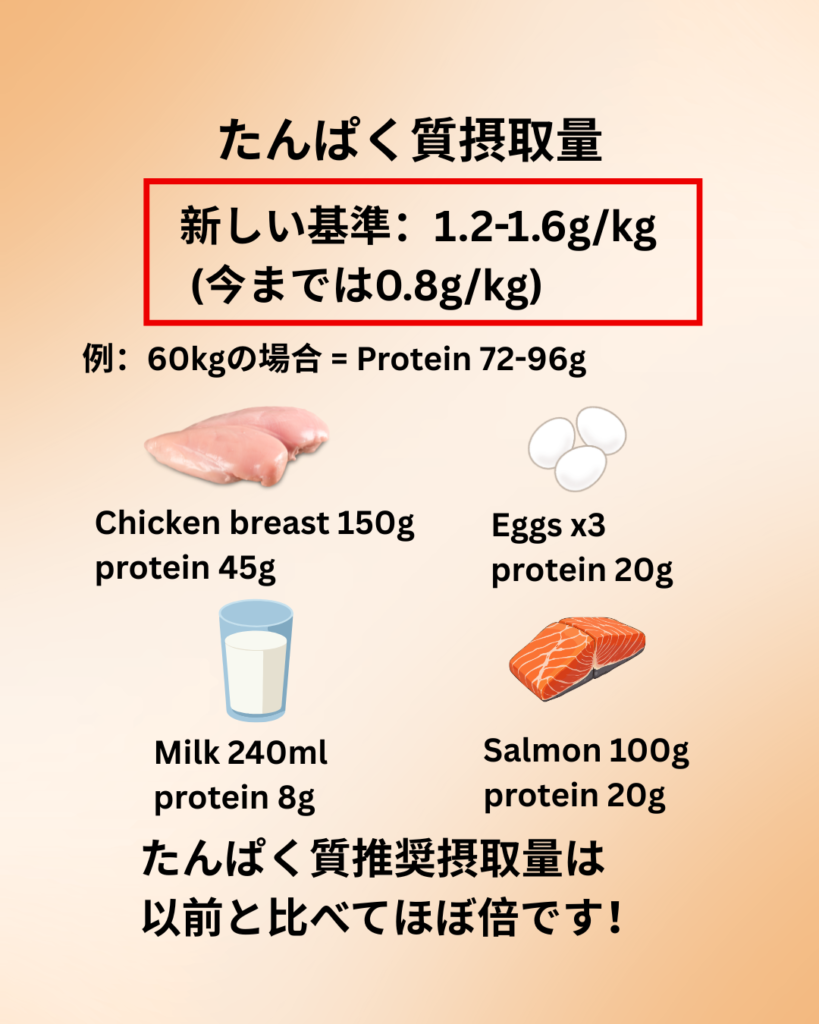

- Increased Protein Recommendations: One of the most significant shifts in this update is the increase in daily protein targets. The guidelines now recommend a range of 1.2g to 1.6g of protein per kilogram of body weight (before it was minimum 0.8g/kg). This acknowledges that higher protein intake is essential for maintaining muscle mass and supporting the body’s natural repair processes at every age.
- A Strict Stance on “Ultra-Processed Foods”: The guidelines now issue a clear warning against highly processed foods containing artificial dyes and heavy preservatives. These foods are linked to increased systemic inflammation. Choosing “whole foods” that are as close to their natural state as possible is now a primary recommendation.
- Focus on Nutrient Density: The update encourages filling your plate with foods that provide high levels of vitamins and minerals relative to their calorie count, rather than empty calories from added sugars and saturated fats.
Summary: Peak Performance Starts with the Foundation
Whether you are active or sedentary, everyone should follow the same rule: eating real, high-quality food in the right proportions. It’s also important to remember that you don’t have to be perfect all the time. Occasional pizzas or hamburgers are perfectly fine. The key is balance. This is simply a reminder to prioritize and truly enjoy the taste of real, whole food.