Headaches are extremely common among desk workers. Many people assume headaches come from eye fatigue, stress, poor posture, or nervous system overload, and simply try to “push through” the symptoms.
What many people don’t realize is that manual therapy can address all of these contributing factors.
In this blog, we introduce an actual clinical case and explain why Functional Manual Therapy can be effective for desk-related headaches.
Functional Manual Therapy (FMT) for head/neck area
Functional manual therapy is not just a manual therapy. The treatment include active movement which addresses brain function to gain better result from manual therapy. For example, neck flexion mobilization combined with eye movement downward (looking down), and TMJ muscles relaxation with jaw opening. This active movement while mobilization can help to last mobilization effect.
Functional manual therapy is not just passive hands-on treatment. It integrates manual therapy with active movement (PNF) to engage the brain and nervous system, helping patients gain more lasting benefits from treatment.
For example, cervical manual therapy may be combined with active eye movements, such as looking downward during neck flexion motion. Similarly, relaxation of the temporomandibular joint (TMJ) muscles may be performed together with controlled jaw opening.
We use this approach because the body’s structures are interconnected. For example, when you look downward, the deep neck flexor muscles naturally become active. By combining manual therapy with functional movement rather than isolated motion, we aim to improve overall function and enhance the carryover of treatment effects.
By incorporating active movement during manual therapy, the nervous system is more actively involved, which may help reinforce the effects of treatment and improve carryover into daily movement.
More about FMT
Manual Therapy for Desk-Related Headaches
1. Cerebrospinal fluid (CSF)
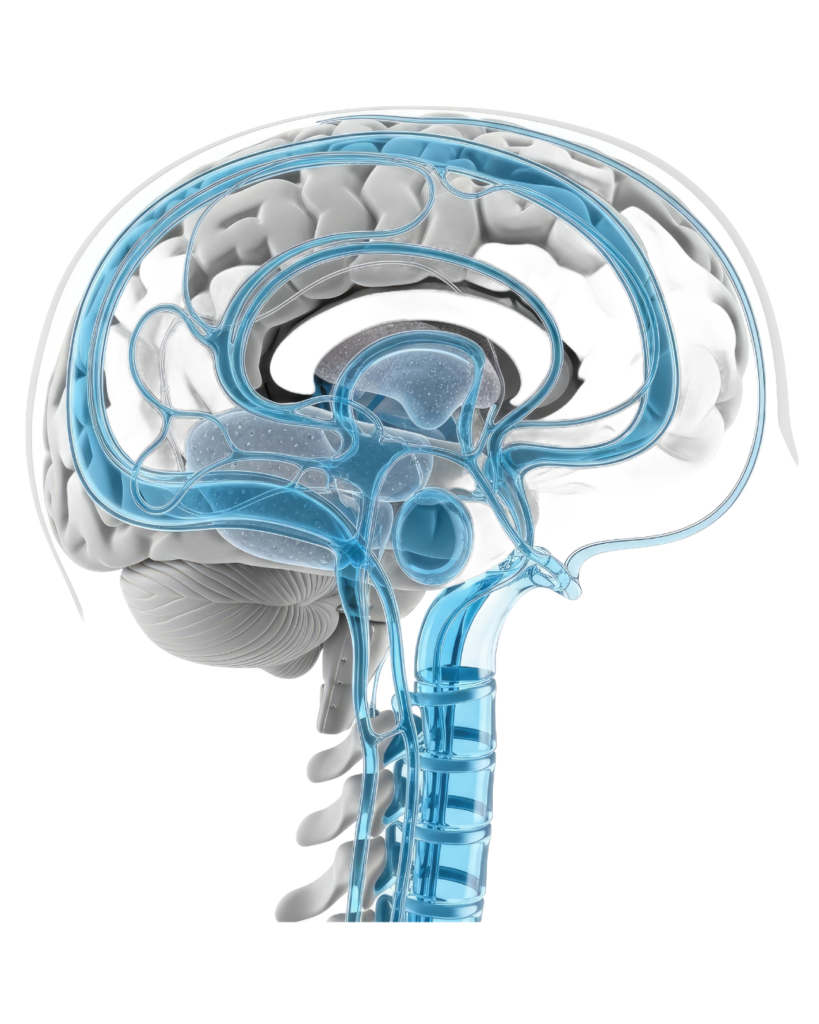
Cerebrospinal fluid (CSF) plays an important role in nourishing and protecting the brain and spinal cord. Although the skull may appear to be a single bone, it is composed of 22 bones connected by sutures. Manual therapy applied to the cranial sutures does not aim to mechanically move these joints, but rather to provide subtle sensory input to the surrounding tissues. This stimulation may influence the nervous system’s regulation of cranial tissues and support more efficient CSF movement.
Cranial nerves also pass through openings between cranial bones, and adding some sensory input around these areas may help optimize neural function.
2. Facial and cranial muscle
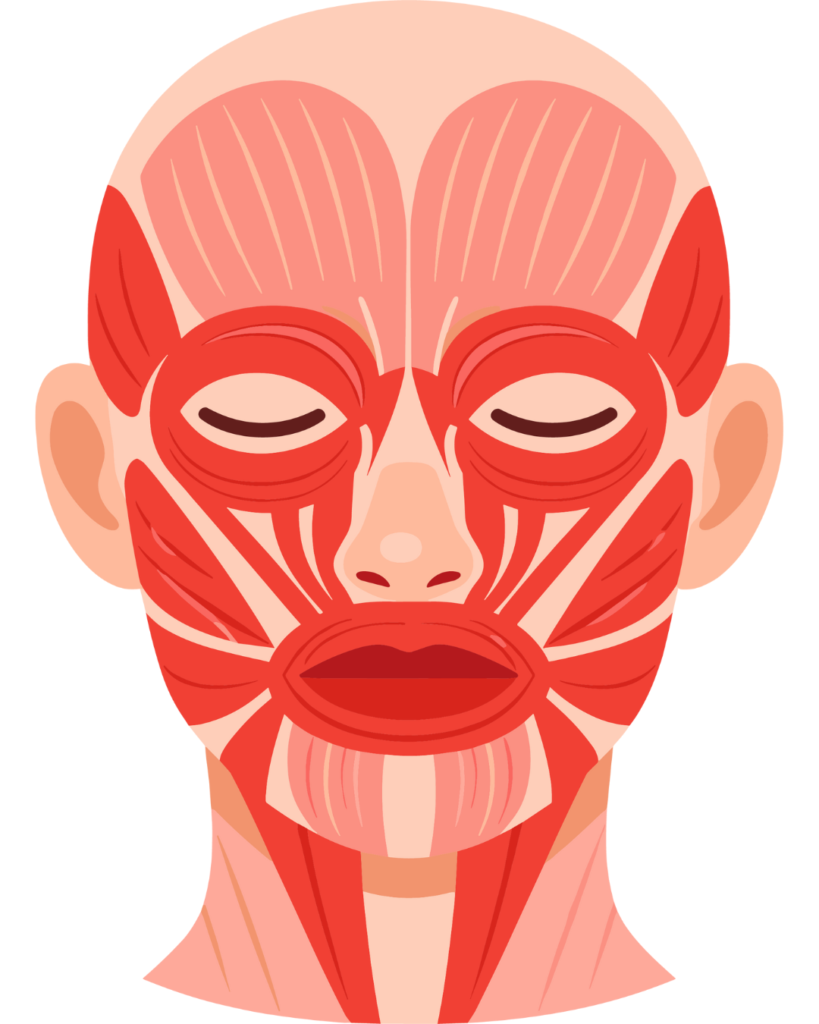
Facial and cranial muscle tone can influence headache symptoms. Many superficial nerves travel through or between muscles in the scalp and face. When these muscles are excessively tight, they can increase pressure on nearby neural structures, potentially contributing to headache symptoms. Manual therapy to the cranial and facial muscles can help reduce tension and may relieve headache-related discomfort.
3. Diaphragmatic breathing
Finally, manual therapy that supports rib cage movement and diaphragmatic breathing may help reduce headaches. Headaches are often associated with high stress and increased sympathetic nervous system activity. Diaphragmatic breathing can help promote parasympathetic activity and improve autonomic nervous system balance, which may contribute to reduced headache intensity and improved overall relaxation.
Case report: Desk work-related headache
Patient profile was, 35-year-old female, no regular exercise habits, and works at desk approximately 8-10 hours a day.
Primary symptoms are; recurrent headaches in busy days, eye fatigue, poor concentration, neck pain, and an awareness of poor sitting posture.
The patient reported that symptoms worsened toward the end of the workday and during periods of increased workload.
Physical Therapy Intervention
Treatment focused primarily on Functional Manual Therapy (FMT), targeting:
- Cranial (head) structures
- Cervical spine (neck)
- Rib cage and breathing-related structures
- Postural correction
In addition, education on desk setup and breathing strategies were provided to support long-term improvement. To improve posture in the long term, neuromuscular control was addressed during the session.
Outcome (after 2 sessions)
With treatment focused on the head, neck, rib cage, and breathing mechanics, the patient experienced:
- Reduced headache frequency
- Decreased neck discomfort
- Improved ease and concentration during desk work
This case highlights how headaches are often multifactorial and benefit from a comprehensive physical therapy approach.
In Summary
Headaches related to desk work are rarely caused by just one factor. They often involve posture, muscle tension, breathing patterns, and nervous system regulation—all of which can be addressed through physical therapy.
If you experience headaches, eye fatigue, or neck pain related to desk work, physical therapy with FMT may be an effective option.
Interested in Treatment?
If you would like to learn more about physical therapy for headaches and desk-related symptoms,
reach out to us at FuncPhysio to discuss whether this approach may be right for you.