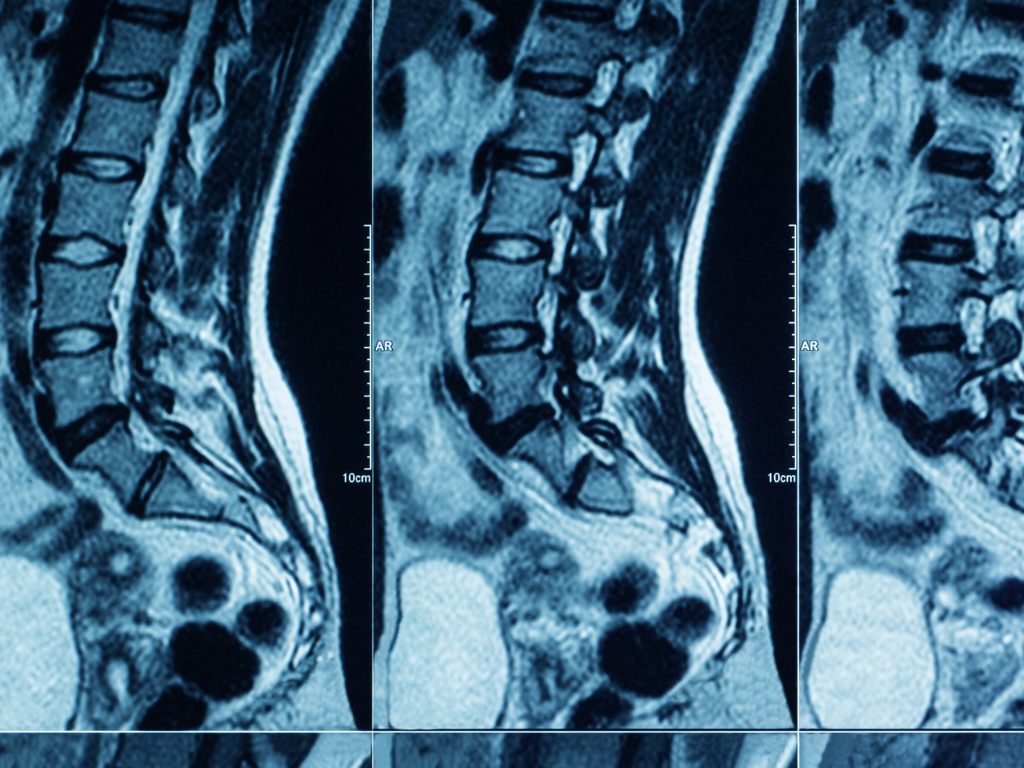
Low back pain is one of the most common reasons people seek medical care today. Whether it’s from sitting too long at work, lifting something heavy, or simply waking up one morning with stiffness, back pain affects millions of people each year.
When the pain becomes severe or persistent, many people turn to doctors for help and are often sent for diagnostic imaging such as X-rays or MRI scans. The thinking is: If we can see what’s inside, we’ll know exactly what’s wrong.
However, there’s a big problem with this assumption—imaging does not tell the whole story about your back pain.
Why Imaging Isn’t Always the Answer
Research shows that nearly 90% of low back pain cases are classified as non-specific low back pain, meaning that medical imaging cannot identify the exact cause. In these cases, the pain is not clearly linked to a fracture, infection, tumor, or other serious condition.
Even more surprising is that many people without back pain at all have “abnormal” findings on an MRI. For example:
- Disc bulges are present in more than 50% (up to 90%) of people over age 60.
- Arthritic changes in the facet joints are common as part of normal aging.
- Degenerative disc disease often appears on imaging even when there are no symptoms.
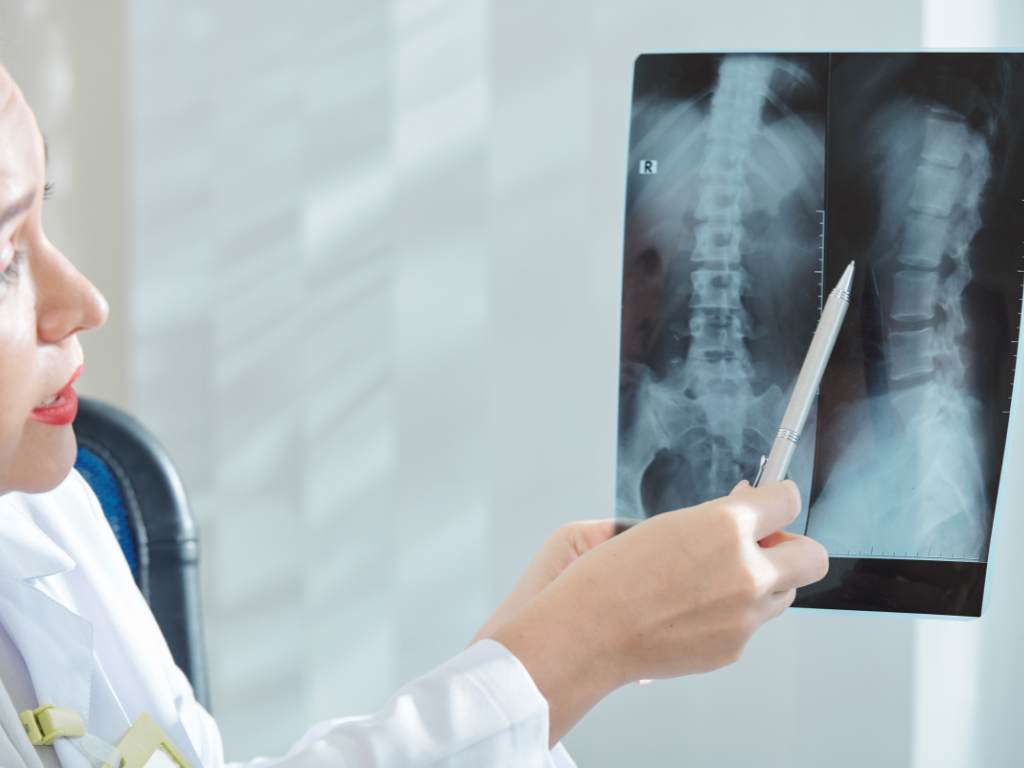
In other words, seeing a disc bulge or arthritis on an MRI does not automatically mean that’s the cause of your pain.
The Symptom–Imaging Mismatch
This mismatch between imaging results and actual symptoms is well documented. Many people live pain-free despite having significant changes in their spine, while others experience intense pain with “normal” scans.
The reason is that back pain is influenced by many factors beyond structural changes, including:
- Muscle tightness or weakness
- Poor movement patterns and posture
- Joint stiffness
- Nerve sensitivity
- Lifestyle habits such as prolonged sitting, stress, and lack of exercise
Imaging simply cannot measure these functional and lifestyle-related issues.
Examples of things not shown on imaging
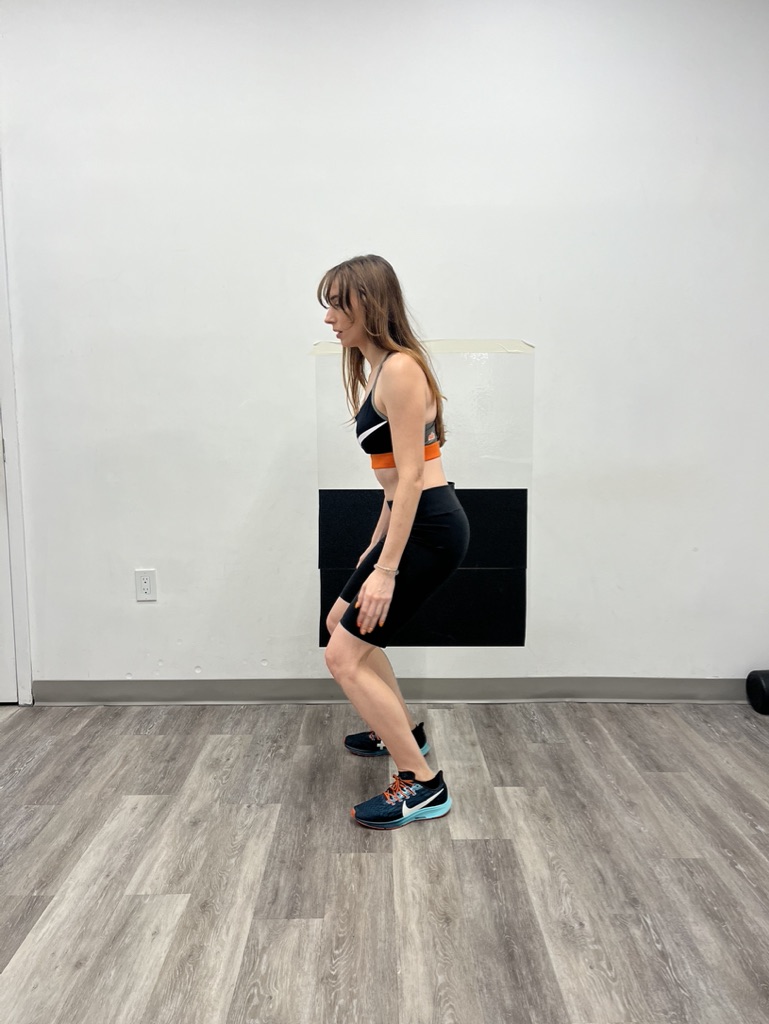
Poor squat technique
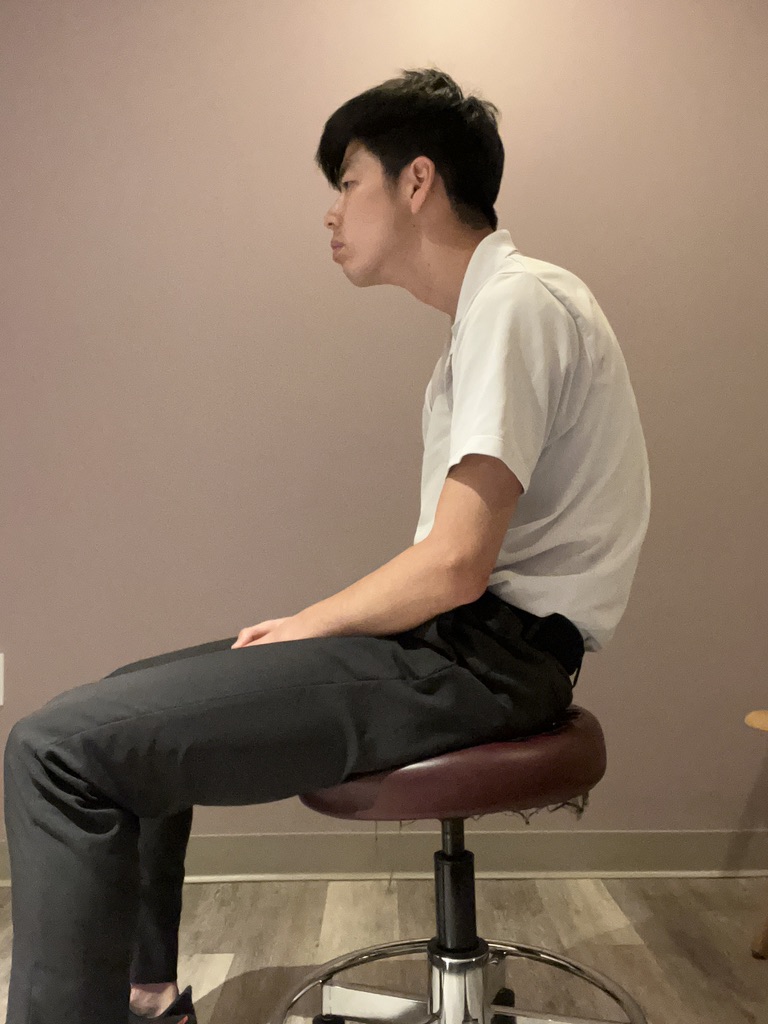
Poor posture in sitting
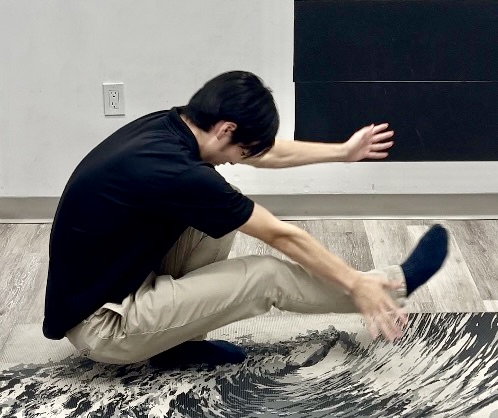
Poor balancing
Surgery vs. Conservative Care
For most types of non-specific low back pain, studies show that surgical outcomes are similar to conservative treatments like physical therapy, exercise, and education—especially in the long term.
Conservative care offers several advantages:
- Lower cost compared to surgery
- Fewer risks and no recovery from invasive procedures
- Addresses the root cause instead of only the structural changes seen on imaging
While surgery can be necessary for certain conditions (like severe nerve compression, fractures, or cancer), the majority of back pain cases improve without it.
Shifting the Focus to Function
If you have low back pain, the most important question is not “What does my MRI show?” but rather “What is causing my pain and how can I improve it?”
At FuncPhysio Physical Therapy, we take a holistic approach to find the root cause of your discomfort. This means assessing:
- Your movement patterns — How you bend, lift, walk, and sit
- Your muscle balance — Which areas are tight, weak, or overactive
- Your posture — How your each body segment (spine, pelvis, etc) is aligned in daily movement
- Your lifestyle habits — How much you move, asymmetric movement, and stress
By addressing these areas, we can help reduce pain, restore mobility, and prevent future flare ups without relying solely on imaging results.
Summary
MRI and X-rays are valuable tools for certain serious conditions, but they should not be the primary method for diagnosing most cases of low back pain. Structural changes on a scan do not always cause symptoms, and treating the scan instead of the person can lead to unnecessary procedures and costs.
Instead, focus on improving function, movement, and overall spinal health. With the right guidance, many people experience significant relief without surgery.
If you or someone you know is struggling with low back pain, contact FuncPhysio Physical Therapy to learn how we can help you find and treat the real cause of your pain.