Another year is coming to an end!
Are you heading to crowded places like Times Square to wait for the New Year countdown?
At events like this, bathrooms are hard to find.
Many people end up holding their bladder for 6 to 10 hours.
For comparison, most people normally void every 2 to 4 hours.

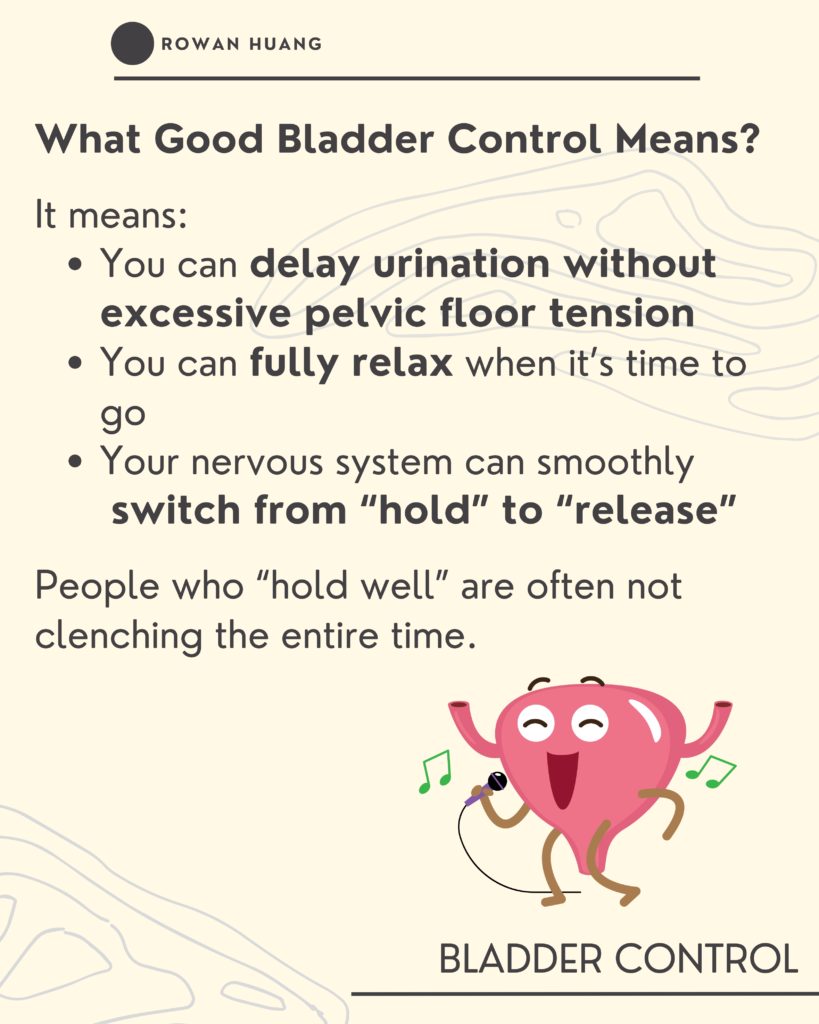
But bladder control isn’t about how long you can hold it.
It’s about coordination!
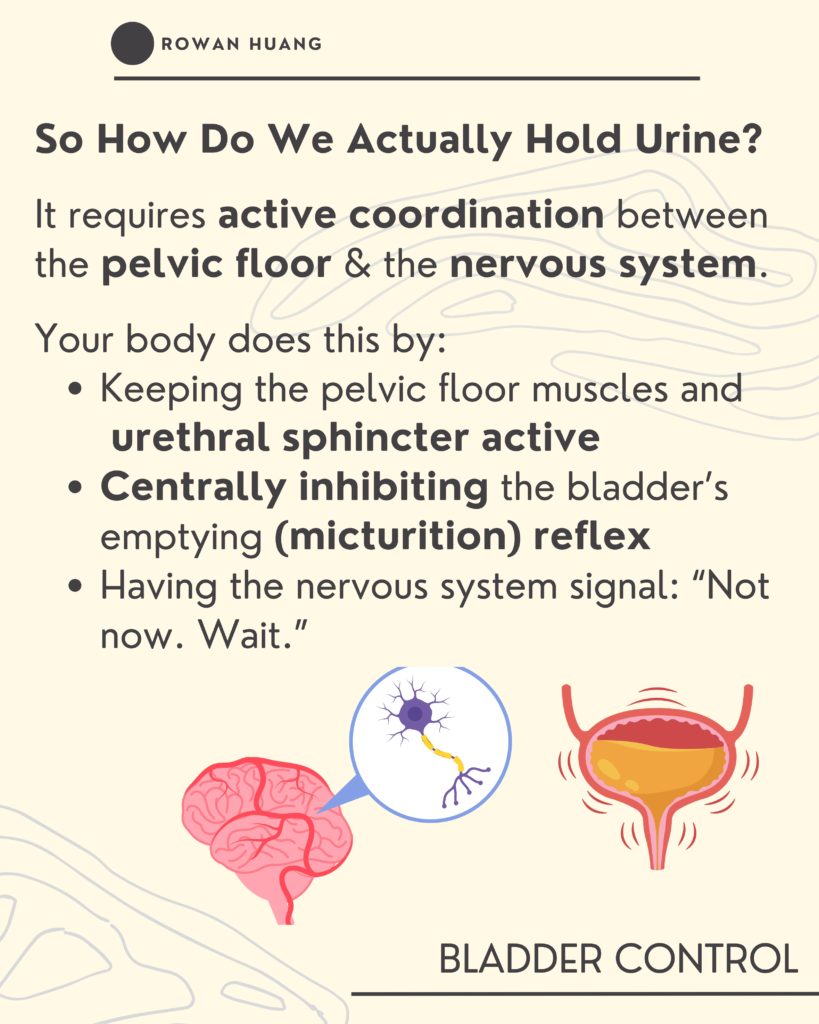
Good bladder control depends on:
- Accurate bladder sensation
- A pelvic floor that can contract and fully relax
- A nervous system that doesn’t stay in constant alarm mode
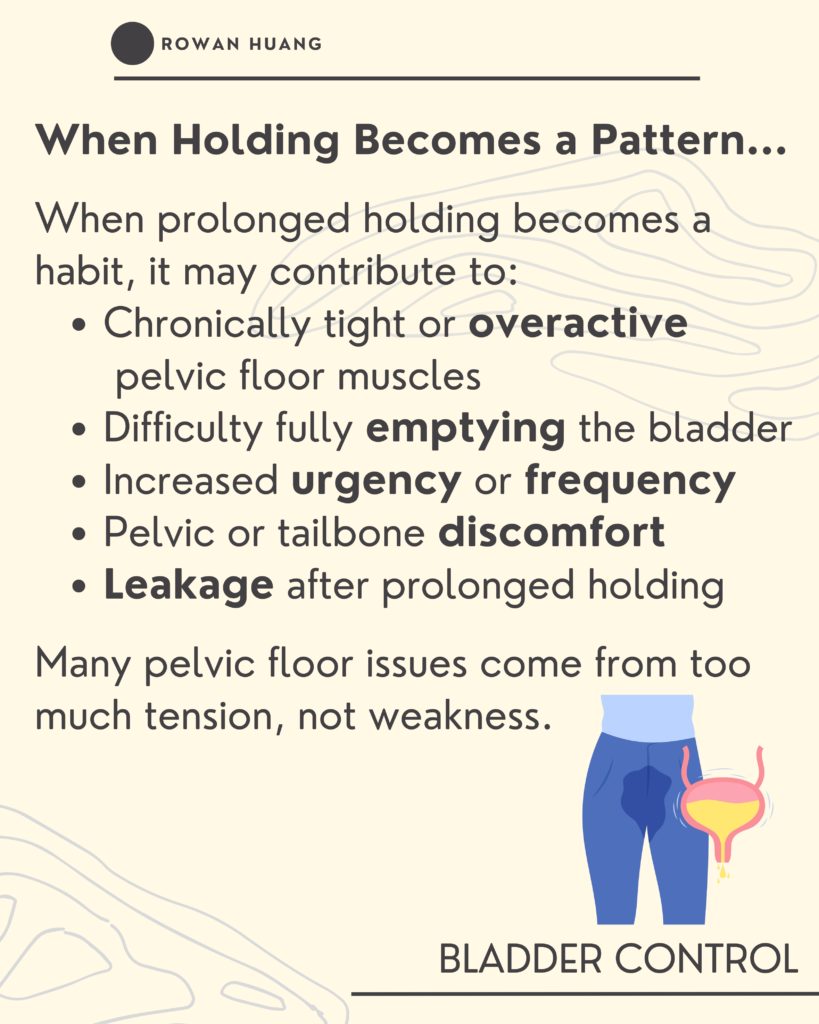
When holding becomes a habit, it can lead to:
- Overactive or tight pelvic floor muscles
- Difficulty fully emptying
- Urgency or frequency
- Pelvic or tailbone discomfort
- Leakage after prolonged holding
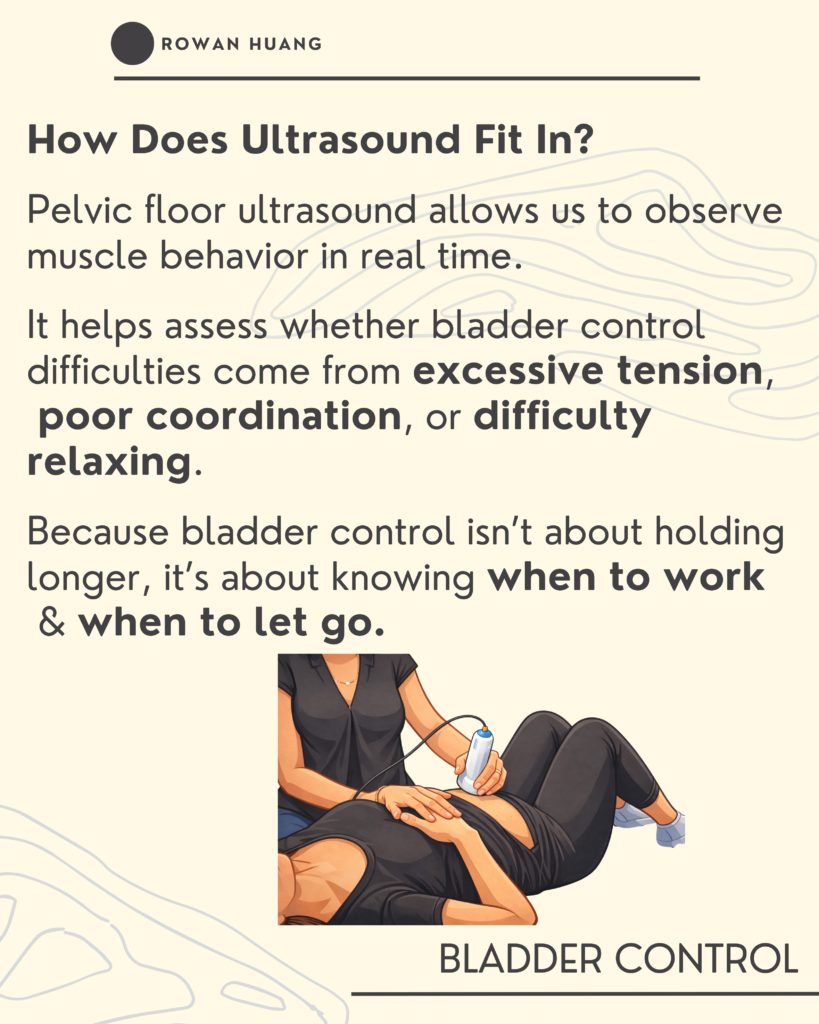
So how does pelvic floor ultrasound fit into this?
With rehabilitative ultrasound, we can see how your pelvic floor moves during breathing, holding, and relaxation.
This helps identify whether symptoms are driven by excess tension, poor coordination, or difficulty letting go after holding.
Because bladder control isn’t about holding longer.
It’s about knowing when to work and when to let go.
A practical reminder for big events:
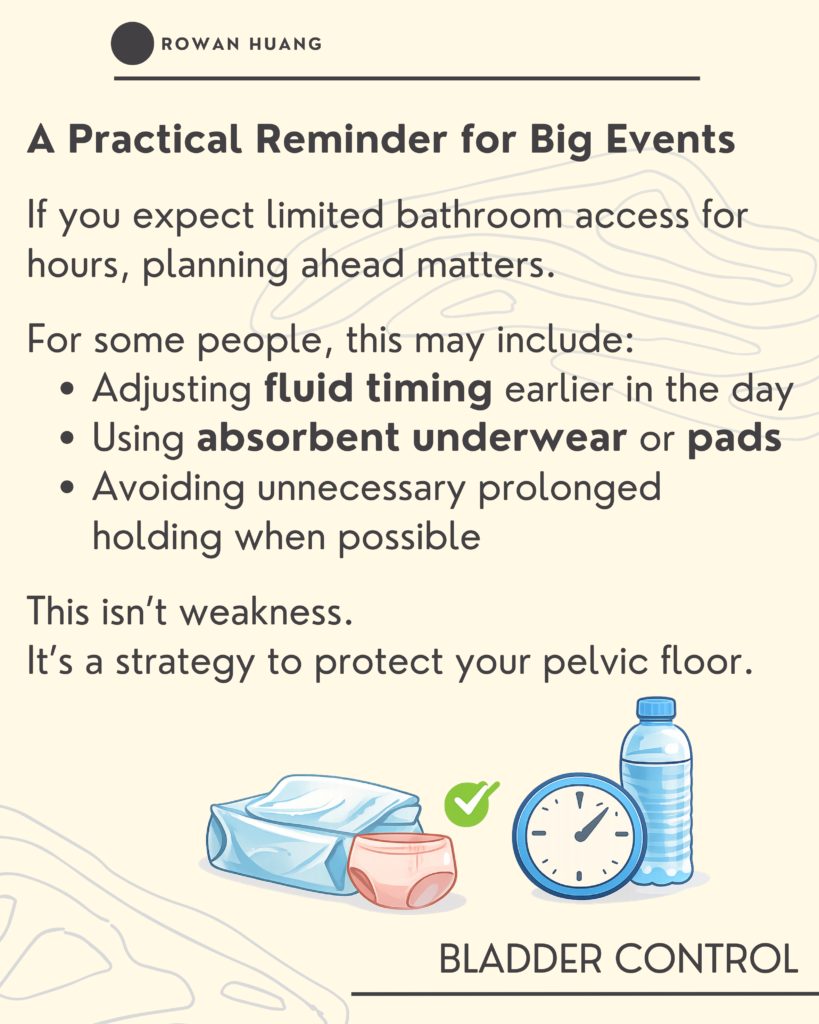
If you expect limited bathroom access for hours, planning ahead matters.
For some people, this may include:
- Adjusting fluid timing earlier in the day
- Using absorbent underwear or pads
- Avoiding unnecessary prolonged holding when possible
This isn’t weakness.
It’s a strategy to protect your pelvic floor.
Want to learn more or book a session?
Book your visit here with Dr. Rowan, a physical therapist trained in Herman & Wallace Rehabilitative Ultrasound Imaging (RUSI), and begin your recovery journey!