Temporomandibular joint (TMJ) problems are often thought of as a dental issue. Many athletes are told that their jaw pain, clicking, or stiffness can be solved solely with a mouthpiece or by adjusting their bite. While dental care is sometimes necessary, TMJ disorders are rarely just a jaw problem, especially in athletes.
Because of the anatomical relationships, the jaw movement can affect the neck, posture, and whole-body movement. Ignoring these connections can limit recovery and negatively affect sports performance.
TMJ and sports performance
The TMJ plays a critical role in athletic performance because it is part of the body’s postural and neuromuscular system as well as other body parts such as legs and arms.
Research and clinical experience show that:
- Jaw position and clenching influence muscle activation throughout the body
- Biting force is linked to global strength production and stability
- Excessive or poorly controlled clenching can increase neck and shoulder tension
This means that TMJ dysfunction does not stay local. It can affect running mechanics, swing efficiency, balance, and even breathing patterns during high-level sports.
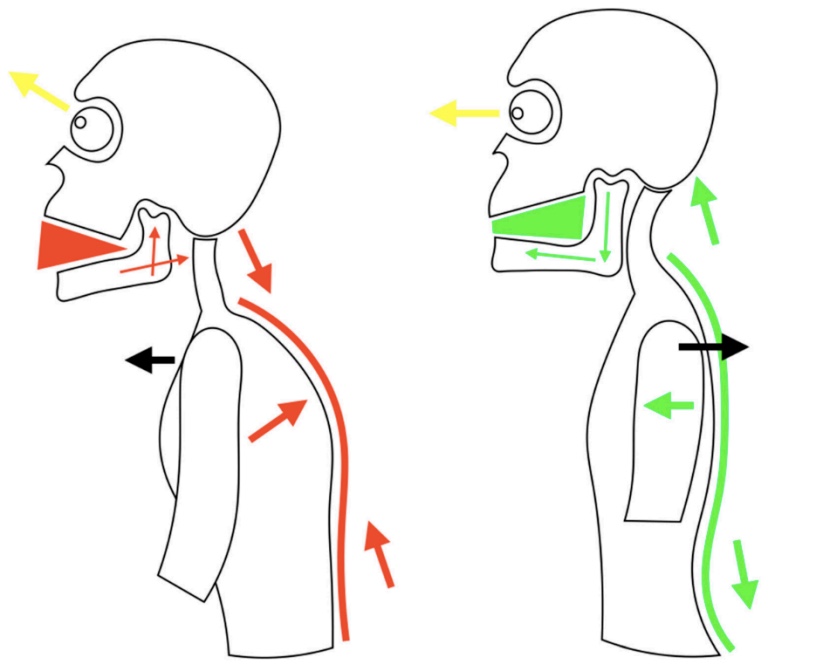
Why TMJ Problems Affect the Neck and Posture
The TMJ and upper cervical spine (C1–C2) are functionally connected.
When TMJ mobility or alignment is restricted:
- Upper cervical movement often becomes limited
- Neck and head muscle tone increases
- Head and trunk posture can change
Over time, this may lead to:
- Chronic neck stiffness
- Headaches
- Reduced spinal mobility
- Decreased overall athletic performance
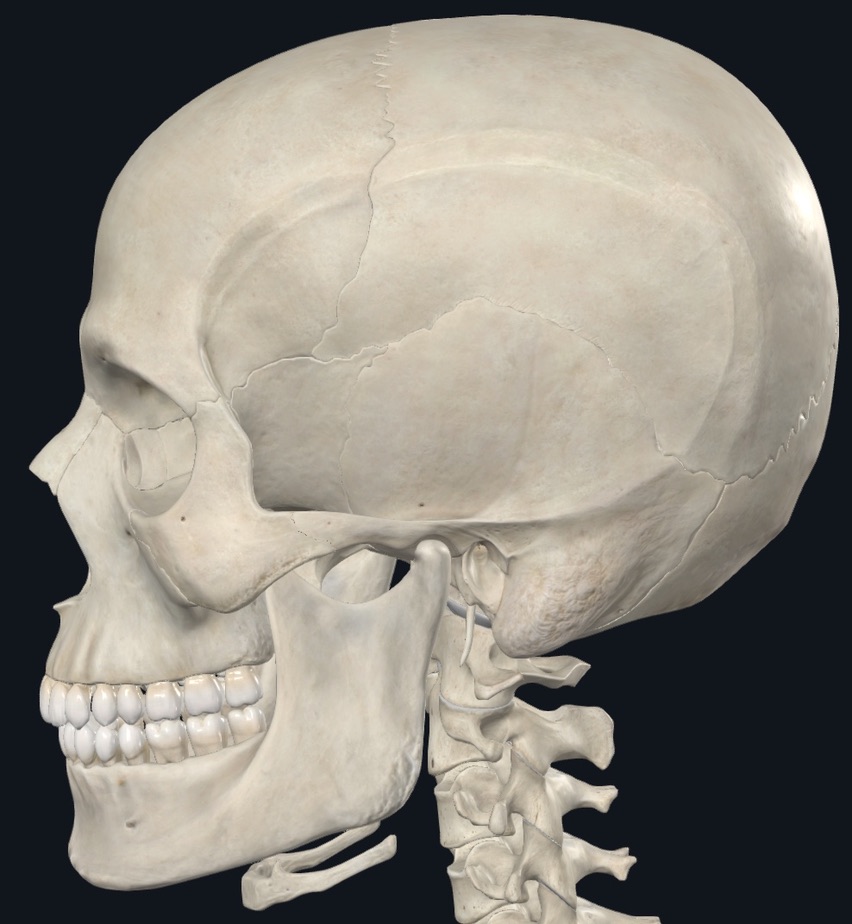
In athletes, even small restrictions can have a significant impact on movement quality and efficiency.
What a Physical Therapist Can Do for TMJ Disorders
A comprehensive physical therapy approach may include:
1. Detailed Movement and Postural Assessment
- Jaw movement patterns
- Cervical spine mobility
- Posture during standing, sitting, and sport-specific positions
- Breathing and trunk control
2. Manual Therapy
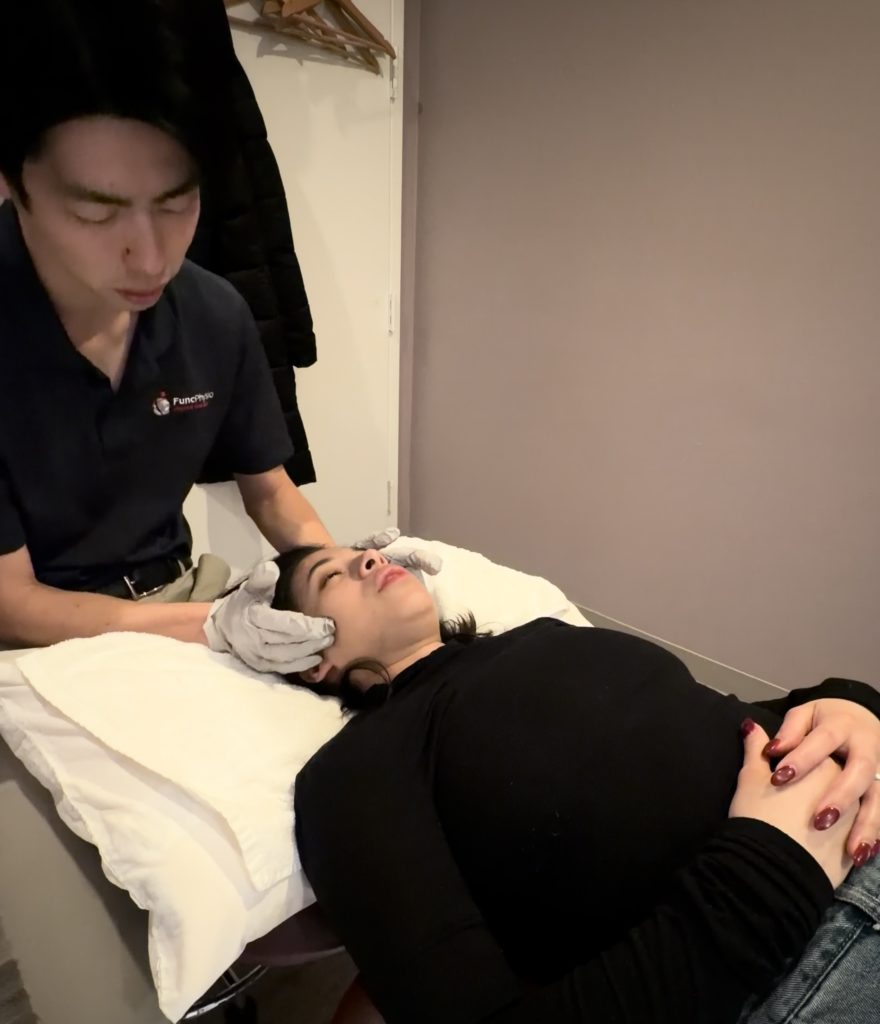
- Hands-on treatment for TMJ mobility
- Soft tissue work for jaw and facial muscles
- Upper cervical spine mobilization
- Reduction of excessive muscle tone
3. Neuromuscular Re-education
- Improving coordination between jaw, neck, and trunk
- Training controlled jaw activation instead of constant clenching
- Restoring symmetry and timing during movement
4. Strength and Control Training
- Deep neck muscle strengthening
- Postural stability exercises
- Integration of jaw control into functional and sport-specific movements
The goal is not only pain relief, but restoring efficient movement and improving performance.
TMJ Pain Is a Performance Issue
For athletes, TMJ pain is not just discomfort—it is a performance limiter.
If you experience:
- Jaw pain or clicking
- Neck stiffness associated with clenching
- Headaches during or after training
- A feeling of excessive tension during sports
Your jaw may be affecting your entire movement system.
A Whole-Body Solution
TMJ disorders should not be treated in isolation. By addressing the jaw, upper cervical spine, posture, and muscle coordination together, physical therapy offers a comprehensive solution.
Pain relief is important, but for athletes, better movement, better control, and better performance matter just as much.
If your jaw feels like a weak link in your performance, it may be time to look beyond the mouth and treat the whole system.