In modern rehab clinics, technologies like MLS (Multiwave Locked System) laser therapy are gaining traction, not as a replacement for hands-on care, but as a powerful adjunct to physical therapy. When used together, they can accelerate pain relief, reduce inflammation, and boost tissue repair better than either treatment alone.

What is MLS Laser Therapy?
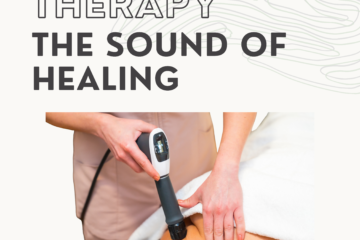
MLS laser therapy is a FDA-cleared photobiomodulation treatment that delivers synchronized dual-wavelength laser light deep into tissues. Unlike traditional therapeutic lasers, MLS is engineered to:
- Reduce inflammation and swelling
- Block pain signals at the nerve level
- Stimulate cellular repair and energy production
- Increase blood flow and metabolic activity in damaged tissues
All of this helps the body heal more efficiently and comfortably. Patients usually do not feel anything during the MLS laser therapy.
Typical courses involve 8–12 short sessions, each lasting just a few minutes, with many patients noticing relief by the third or fourth visit.
Why Combine MLS Laser with Physical Therapy?
Physical therapy focuses on movement, strength, balance, posture, and functional recovery. These elements are essential for long-term rehabilitation, but inflammatory pain and tissue sensitivity can be a major barrier to patients fully engaging in exercise.
That’s where MLS laser fits in perfectly:
🔹 1. Reduce Pain Quickly
MLS stimulates endorphin release and blocks pain signals, which can help patients participate more fully in PT exercises.
🔹 2. Decrease Inflammation
Laser energy activates lymphatic drainage and vasodilation, so swelling goes down faster — making movement and stretching less painful.
🔹 3. Promote Faster Tissue Repair
By boosting ATP production and stimulating cell growth, laser therapy helps injured muscles, ligaments, and tendons repair more quickly — which in PT means faster progress through rehabilitation stages.
Case Reports: MLS Laser Therapy Combined with Physical Therapy
Case 1: Hallux Valgus–Related Forefoot Pain
Patient Profile
A middle-aged patient presented with chronic medial forefoot pain associated with hallux valgus (bunions). Pain was aggravated during prolonged walking and push-off phase of gait. The patient had already tried footwear modification with limited improvement.
Intervention
Treatment consisted of:
- MLS laser therapy applied to the first MTP joint and surrounding soft tissues
- Manual therapy to improve first ray mobility
- Intrinsic foot muscle activation and toe alignment exercises
- Gait and load-management education
MLS laser was used at the end of sessions for 10 minutes to reduce pain and local inflammation.
Outcome
After several sessions:
- Local pain and tenderness around the first MTP joint decreased significantly
- Walking tolerance improved
- The patient reported less discomfort during daily activities and exercise
Symptom reduction allowed improved function and now the patient can walk for more than 3 hours.
A post shared by FuncPhysio Physical Therapy (@newyork_funcphysio)
Case 2: Sciatica with Lumbar and Neural Sensitivity
Patient Profile
A patient presented with radiating leg pain consistent with sciatica, aggravated by sitting and forward bending. Neurological screening was negative for red flags, but neural tension tests reproduced symptoms.
Intervention
The treatment plan included:
- MLS laser therapy applied along the sciatic nerve pathway on the thigh
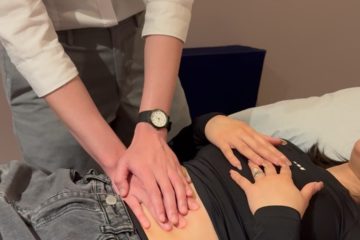
- Manual therapy targeting lumbar and pelvic mobility
- Neural mobilization techniques
- Core stabilization and postural re-education
MLS laser therapy was used to reduce neural sensitivity and inflammatory response after movement-based interventions.
Outcome
Over the course of treatment:
- Leg pain intensity decreased
- Sitting tolerance improved
- Neural tension symptoms were reduced
- The patient progressed more comfortably into active movement and strengthening exercises
The combination approach helped manage pain while addressing the underlying movement and postural contributors.
A post shared by FuncPhysio Physical Therapy (@newyork_funcphysio)
Summary
If you’re dealing with:
- Chronic musculoskeletal pain (back, neck, shoulder)
- Sports injury recovery
- Post-surgical rehabilitation
- Tendinopathies or scar tissue pain
…then MLS laser + physical therapy might be an approach worth considering.
- Reduced Pain means better participation in strengthening & mobility work.
- Faster healing means quicker return to daily life and sport.
- Lower inflammation means less discomfort during daily of life
This combination targets both the symptoms and the underlying dysfunction — a balanced strategy that speeds recovery without drugs or surgery.