When we think about walking or running, one of the most important contributors to efficient gait is the pelvis.
The pelvis is not just a stable base. It moves dynamically in coordinated patterns to transfer force, maintain balance, and reduce stress on the body.
One useful framework to understand these movements comes from Proprioceptive Neuromuscular Facilitation (PNF) pattern. This is a treatment approach that emphasizes diagonal and functional movement patterns. In PNF, the pelvis moves through four key patterns: anterior elevation, anterior depression, posterior depression, and posterior elevation. These patterns closely mirror what naturally happens during walking and running.
In this blog, we’ll break down these four pelvic movements, discuss what happens when they are impaired, and introduce exercises to improve them.
The Four Key Pelvic Movements in Gait
During gait, the pelvis moves in a coordinated, alternating diagonal pattern between the right and left sides. Efficient movement depends not only on each pattern individually, but also on how well they coordinate with each other.

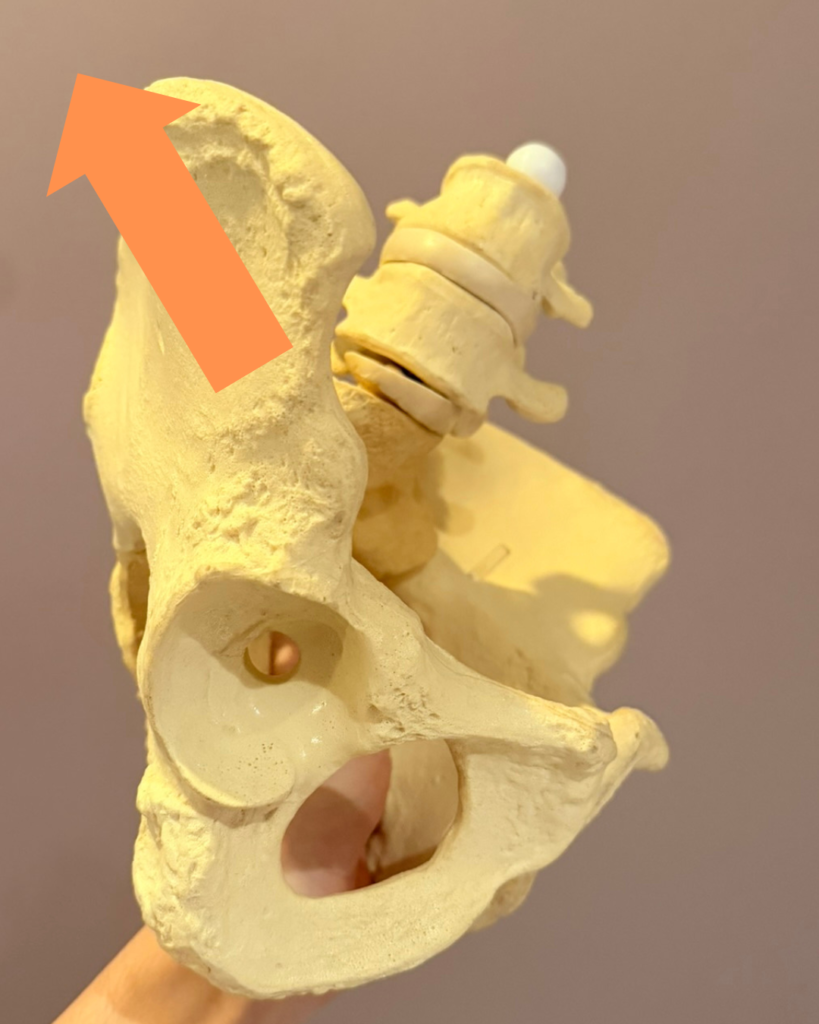
1. Anterior Elevation (Swing Phase)
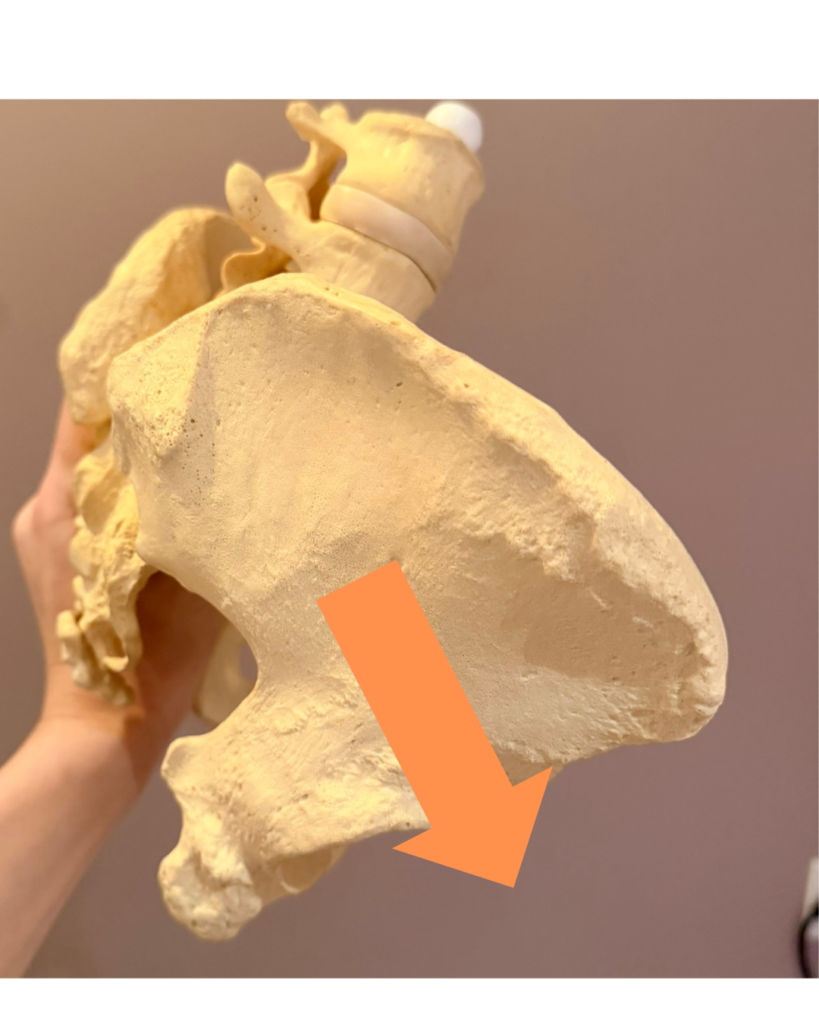
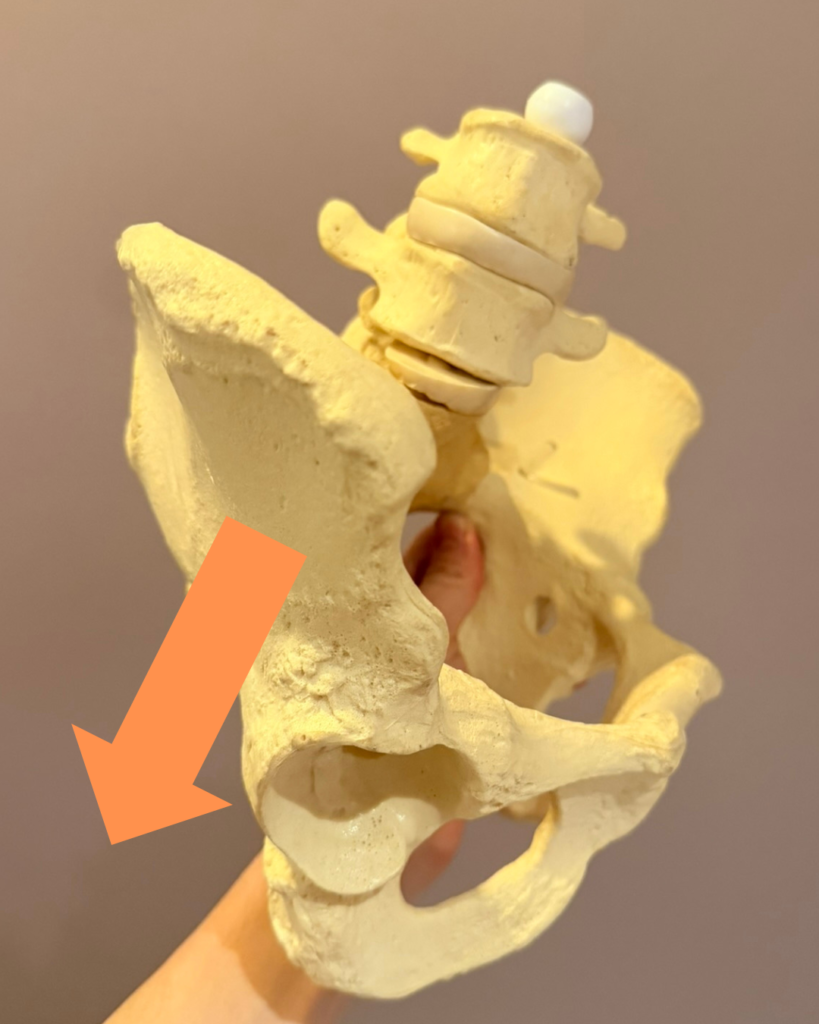
Anterior elevation occurs when the pelvis moves forward and upward on the side of the swinging leg.
Role:
- Initiates limb advancement
- Assists with foot clearance
- Contributes to forward momentum
Muscular connection: abdominal muscles and hip flexors
Dysfunction:
- Pelvic drop in the first part of the swing phase
- Reduced anterior elevation can lead to poor foot clearance, increasing the risk of stumbling or tripping
- Often compensated by excessive hip flexor use or trunk leaning
Important connection:
A deficit in anterior elevation is often linked to poor posterior depression on the opposite side, since these two patterns work together during gait.
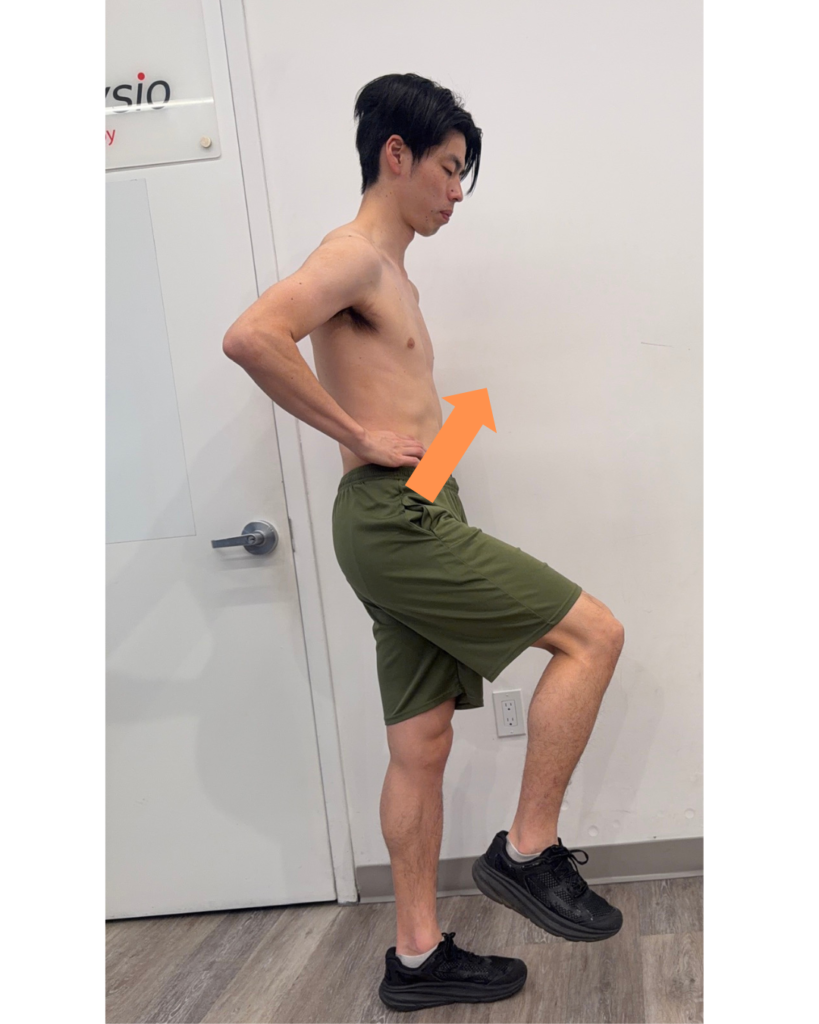
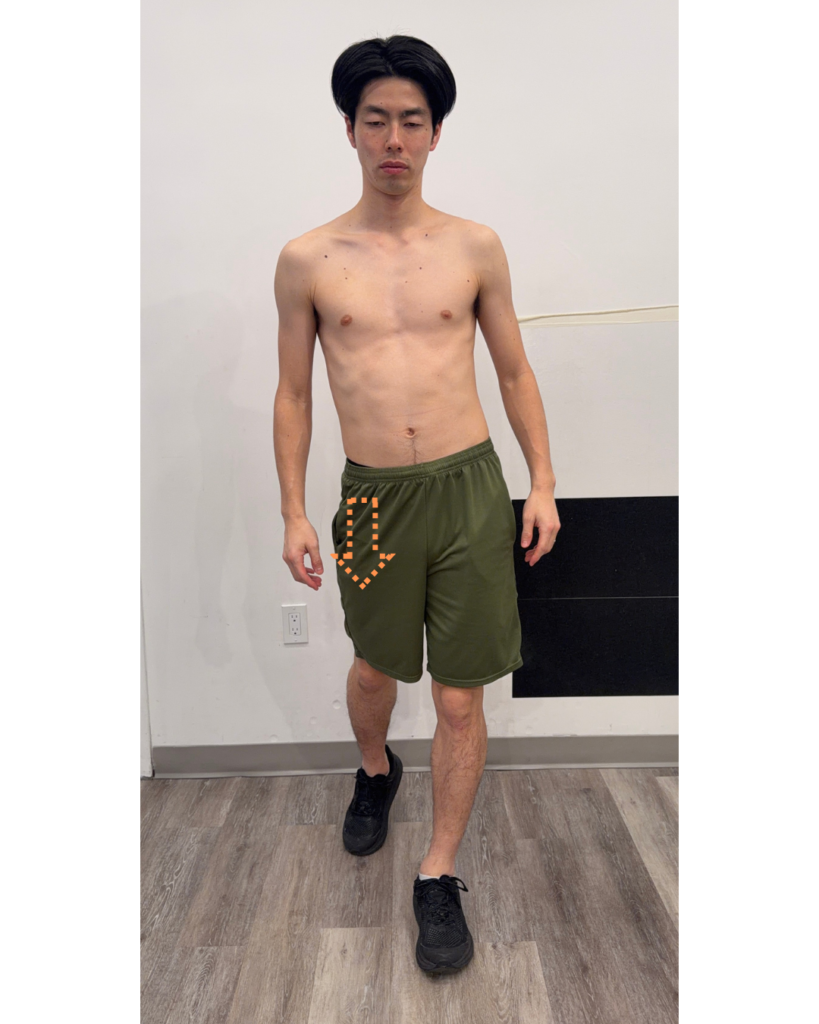
(pelvic drop on the swing side)
2. Anterior Depression (Initial Contact)
Anterior depression occurs when the pelvis moves forward and downward as the foot contacts the ground.
Role:
- Absorbs impact
- Provides controlled weight acceptance
- Helps distribute forces through the kinetic chain
Muscular connection: eccentric contraction of Quadratus lumborum, other trunk muscle control
Dysfunction:
- Poor control can lead to excessive impact forces at initial contact
- May contribute to conditions such as:
- Heel pain
- Knee pain
- Increased stress through the lower extremity
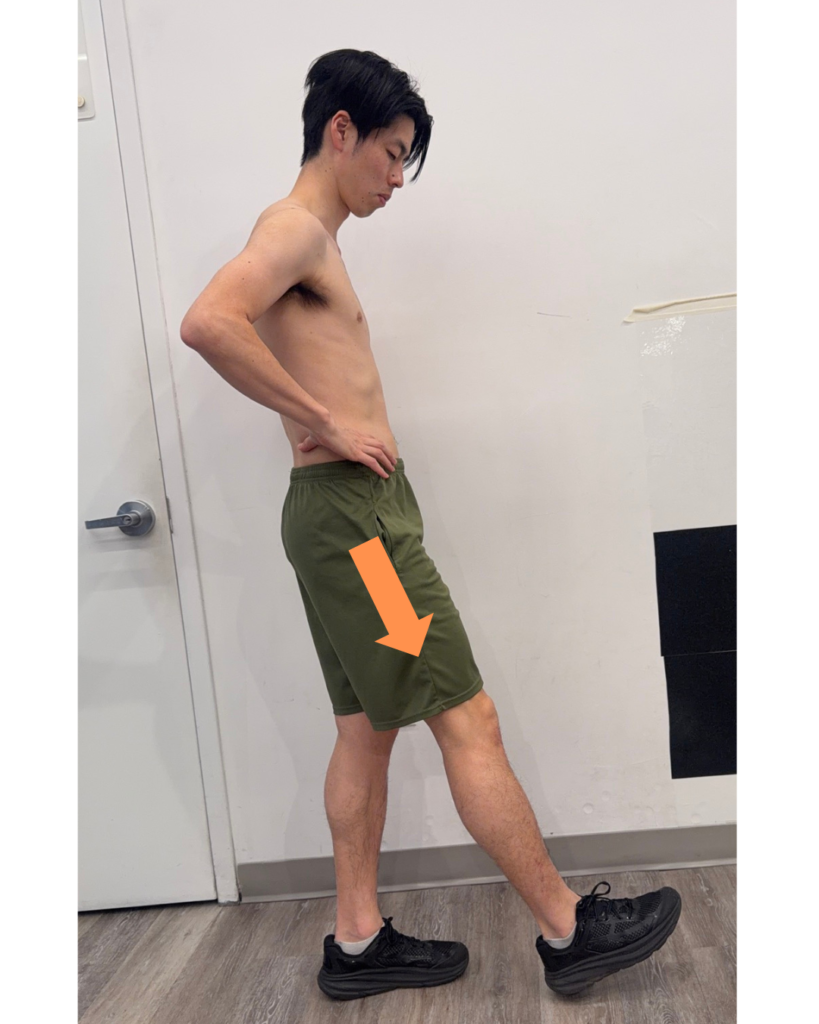

(poor shock absorption)
3. Posterior Depression (Midstance to Terminal Stance)
Posterior depression involves the pelvis moving backward and downward on the stance leg.
Role:
- Stabilizes the body over the stance leg
- Enables efficient push-off
- Transfers force for forward propulsion
Muscular connection: glute med, glute max, elongation of the trunk muscles (trunk extension pattern)
Dysfunction:
- A deficit can result in pelvic drop during the opposite swing phase
- Leads to inefficient weight transfer and reduced propulsion
- Commonly associated with overuse of compensatory muscles
Key relationship:
Posterior depression on one side directly supports anterior elevation on the opposite side. Dysfunction here often disrupts the entire gait cycle.
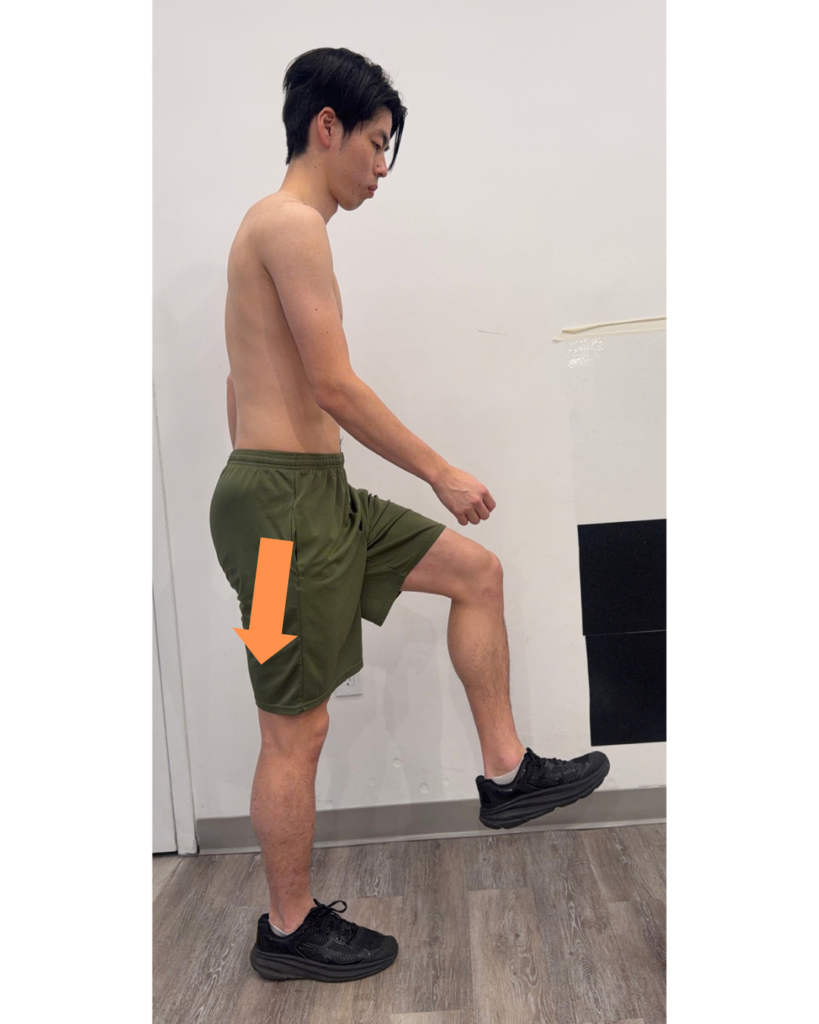
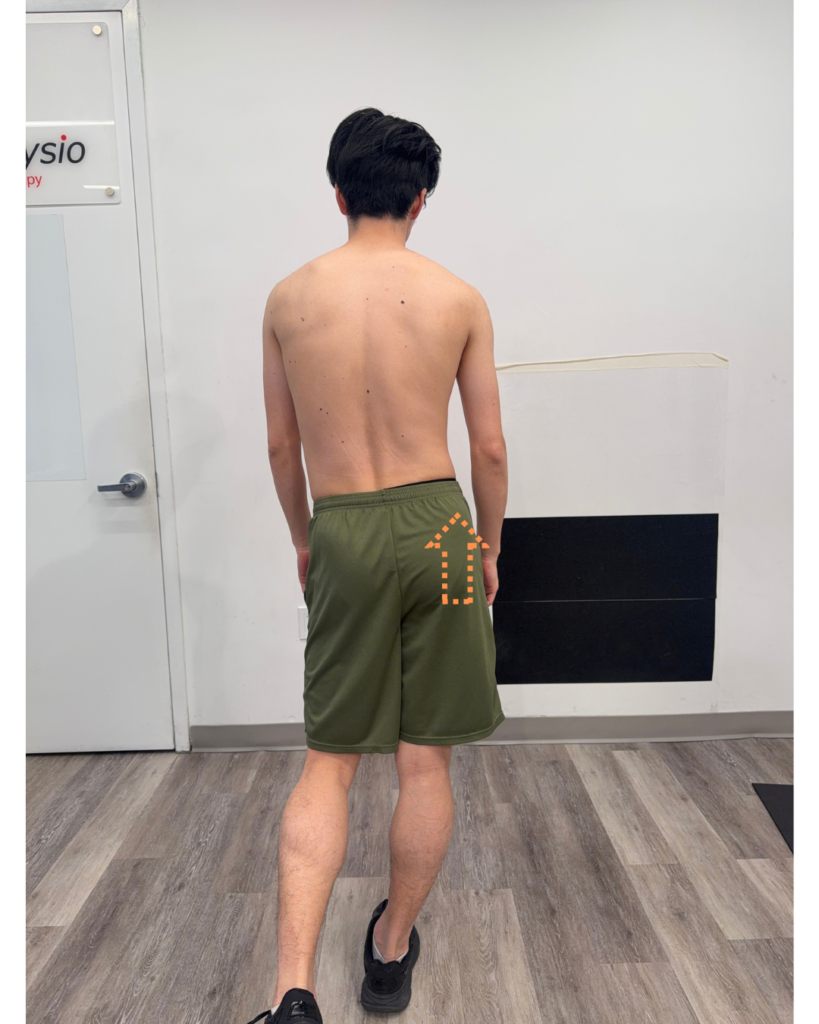
(pelvic hike on the stance leg)
4. Posterior Elevation (Transition Phase)
Posterior elevation is the movement of the pelvis backward and upward, typically coordinating with the opposite side’s anterior depression.
Role:
- Assists in smooth weight transition
- Maintains rhythm and coordination
- Integrates with trunk and arm movement
Dysfunction:
- Usually dysfunction is caused by the other side of anterior depression
- Excessive stress on the lumbar spine
- Increased energy cost during walking or running
- Loss of fluidity in movement

Why These Movements Matter
Efficient gait can be accomplished by the timing, coordination, and interaction between both sides of the body.
When pelvic mechanics are working well:
- Movement is smooth and energy-efficient
- Load is distributed evenly
- Injury risk is reduced
When they are impaired:
- Compensations develop across the body
- Stress increases on joints and soft tissues
- Pain can appear in the back, hips, knees, or feet
Exercises to Improve Pelvic Control
Here are three exercises targeting key pelvic movement patterns.
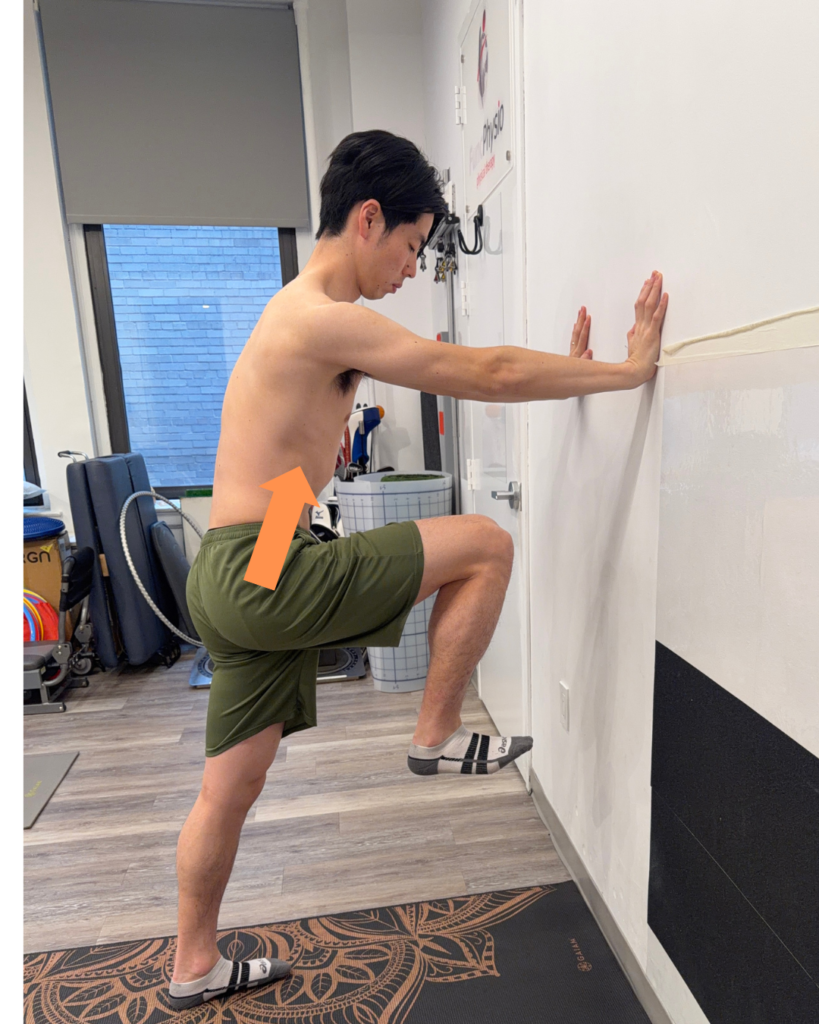
1. Anterior Elevation Exercise: High Stepping
Goal: Improve pelvic lift and forward drive during swing phase
How to perform:
- Stand tall
- Lift one knee toward your chest in a marching motion
- Focus on initiating the movement from the pelvis
- Alternate sides with control
- Be aware of stand leg posterior depression
Goal:
- Improve foot clearance
- Reduce compensations like trunk leaning
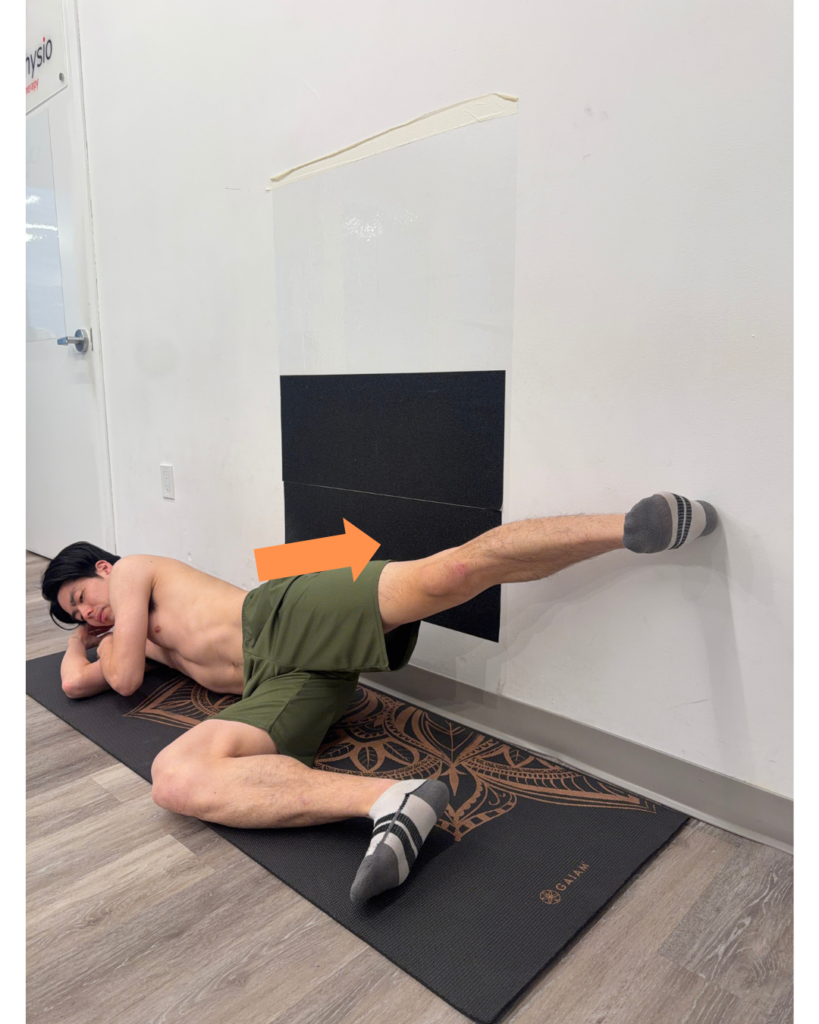
2. Posterior Depression Exercise: Side-Lying Wall Push
Goal: Improve stance stability and push-off
How to perform:
- Lie on your side facing away from a wall
- Place the heel on the wall
- Elongate your trunk(pelvic depression)
- Gently push into the wall
- Feel engagement in glutes and trunk
Focus:
- Prevent pelvic drop and decrease stress on the lower back
- Improve coordination with the opposite anterior elevation
3. Anterior Depression Exercise: “Basking Seal”
Goal: Improve control during initial contact
How to perform:
- Lie on your side with hips and knees at 90/90, lower legs off the table
- Slowly rotate hips down to the floor (IR/ER)
- Slow and controlled motion
- May add upper trunk side bending
Focus:
- Improve force absorption
- Reduce excessive loading at heel strike

Final Thoughts
Pelvic movement is a foundational but often overlooked component of gait.
By understanding both the movement patterns and their common dysfunctions, you can better identify the root cause of issues such as:
- Tripping or poor foot clearance
- Heel or knee pain
- Inefficient or uncoordinated walking/running
Improving pelvic control—especially through coordinated, PNF-based patterns—can significantly enhance movement efficiency and reduce injury risk.